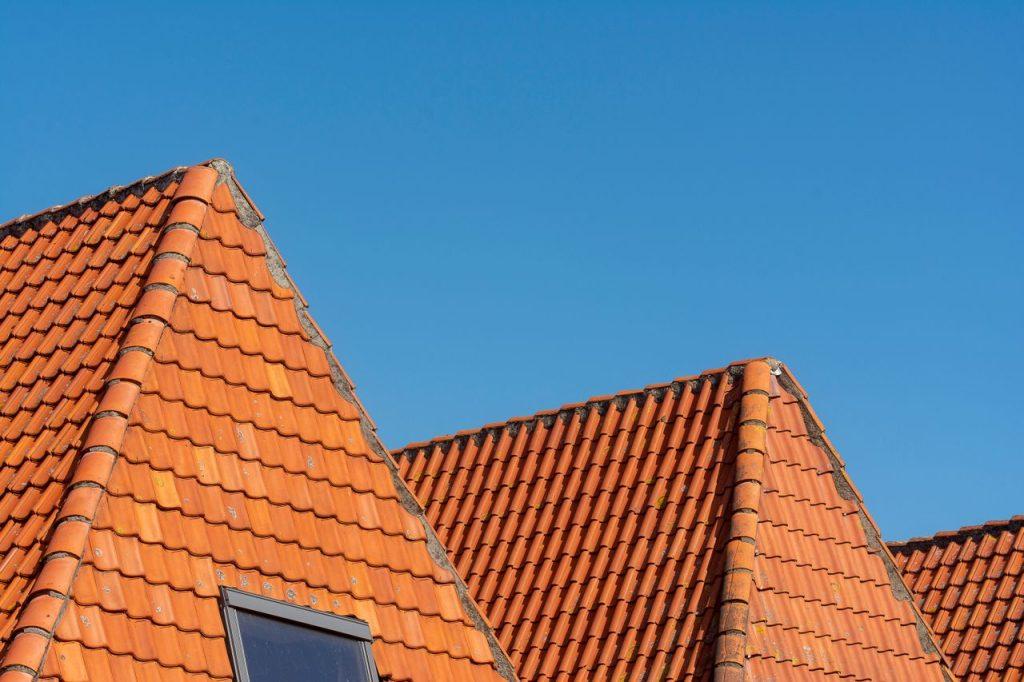
Roof materials get picked from a sample board in a driveway, usually in under ten minutes, usually on the day a contractor is already standing there with a contract. That is a strange way to spend $15,000 on something that has to survive every storm for the next quarter century. The choice deserves more than a color preference, because the labels that sound most reassuring on a shingle wrapper turn out to be the ones that hold up worst under independent testing.
What roof materials cost in 2026
Roofing is priced by the square, meaning 100 square feet of roof surface. That surface is always larger than the house footprint, because pitch stretches it: a 4/12 roof adds about 5 percent, an 8/12 roof adds about 20 percent. Contractors know this. Homeowners comparing a quote against their square footage usually do not, and assume they are being overcharged.
Installed prices per square foot run roughly like this. Asphalt shingles sit at $4 to $12, with architectural shingles, the standard choice in most of the country, landing around $6 to $9. Wood shake runs $9 to $14. Metal spans $7 to $18, with standing seam at the top of that range. Concrete and clay tile run $10 to $18. Slate starts near $15 and passes $30 for a real one. On a typical 2,000 square foot roof, that puts asphalt at $8,000 to $18,000 and tile or slate anywhere from $20,000 to $60,000.
Labor takes 40 to 60 percent of the total, which explains why identical materials produce wildly different bids. Two line items get missed most often. Tear-off and disposal add $3,500 to $5,000 on an average house and more if there are two layers up there. And steep pitch, anything at 8/12 or above, adds 25 to 50 percent to labor because the crew needs staging and moves slower.
Lifespans separate the categories more honestly than price does. Asphalt gives 20 to 30 years, metal 40 to 70, tile and slate 50 to 100 or beyond. Slate at four times the price is not expensive if it outlives three asphalt roofs, though few owners hold a house long enough to collect on that math.
The Class 4 label is weaker than it sounds
Hail shingles are sold on a UL 2218 impact rating, Class 1 through Class 4. The test drops steel balls of increasing size, up to a 2 inch ball from 20 feet for Class 4, and checks the back of the shingle for cracks. Class 4 products carry a price premium and often earn an insurance discount.
The problem is what the test measures. Steel balls are smooth, dense, and dropped at room temperature onto factory-fresh material. Real hail is jagged, shatters on impact, and lands on shingles that have been baking for a decade. The Insurance Institute for Business and Home Safety closed that gap by firing lab-made ice hailstones at shingles bought off retail shelves, then scoring them for dents, tears, and granule loss. In the 2025 edition of those ratings, covering 24 products and roughly 95 percent of impact-resistant shingles sold in the US, 18 scored Good, five scored Marginal, and not one earned an Excellent overall.
That is not an argument against buying impact-rated shingles. It is an argument against treating the Class 4 stamp as the end of the question. IBHS publishes its scores publicly, so the useful conversation with a contractor is about the product’s IBHS number, not its UL class. Manufacturing method matters here too: IBHS testing has found polymer-modified shingles, the ones with SBS rubber blended into the asphalt, passing impact tests at noticeably higher rates than traditional impact-resistant products. Malarkey Roofing Products built its residential line around that chemistry, and several larger manufacturers now offer SBS lines alongside their conventional ones.
What sits under the shingles matters as much. Sealing the roof deck, taping or covering the seams in the plywood before the shingles go on, cuts water intrusion by around 95 percent when a storm strips the covering. In an IBHS wind and rain test on a duplex, the unsealed half cost roughly three times more to repair. The sealed deck had added about $500 to the job.
Fire ratings now decide what is legal
Roof coverings carry a fire rating of A, B, or C under ASTM E108, with Class A the highest. In wildfire country that rating stopped being a preference and became a rule. California’s updated wildfire code took effect in January and prohibits wood shakes and shingles in wildland-urban interface zones and very high fire hazard severity zones, including fire-retardant treated versions. Colorado’s first statewide wildfire resiliency code arrived on a similar timeline, requiring Class A coverings on new construction and on reroofs that replace a quarter or more of the surface.
Insurers moved in the same direction, often ahead of the codes. The California Department of Insurance lists a Class A rated roof as the first item in its wildfire discount program and states plainly that wood shake does not qualify. In a fire-prone zip code, confirm the coverage implications before choosing a covering. A non-renewal costs more than the upgrade would have.
Matching roof materials to the actual house
The right answer is usually local rather than universal.
- Check the fire hazard zone and the local code before shortlisting anything. In some areas that step eliminates options outright.
- In hail regions, ask for the IBHS score of the specific product, not just its UL class.
- Confirm the framing can carry tile or slate. Both weigh several times what asphalt does, and older roofs often need reinforcing first.
- Get the deck sealing method written into the quote rather than assumed.
- Match the covering to the attic underneath, since ventilation drives shingle temperature and shingle temperature drives lifespan. A hot attic also raises cooling load, which is worth understanding alongside the heat pump cost for anyone replacing equipment in the same period.
- Compare warranties on what they exclude. Hail is excluded from most manufacturer coverage, so that risk lives with the insurer.
FAQ
Which roof materials last the longest?
Slate and clay tile, at 50 to 100 years or more, followed by metal at 40 to 70. Asphalt shingles give 20 to 30 years in most climates and less in severe sun or hail. Installation quality moves any of those numbers more than brand does.
Are Class 4 shingles worth the extra cost?
In hail-prone regions, usually yes, mostly because of the insurance discount. Just treat the rating as a floor rather than a guarantee, and check the product’s independent hail score before paying a premium for the label.
What is the cheapest roof material?
Three-tab asphalt shingles, at roughly $4 to $7 per square foot installed. Most owners upgrade to architectural shingles anyway, since those carry better wind ratings and a longer expected life for a few thousand dollars more.
Does a metal roof lower home insurance?
Sometimes. Class A fire rating and high wind resistance earn discounts with many carriers, particularly in wildfire and hurricane states. The discount varies enough between insurers that it is worth asking before committing to the material.